Hire Chelmsford Plumber for Emergency Repairs
Expert Plumbing Tips: How to Avoid Frequent Home Plumbing Problems
Homeowners often encounter numerous plumbing problems that may result in significant repair costs. Knowing fundamental preventive steps is essential for keeping a plumbing system in good condition. Regular inspections and simple maintenance tasks play a significant role in steering clear of significant complications. With the appropriate tools and understanding, homeowners can handle numerous issues on their own. Still, recognizing when professional guidance is needed remains just as essential. The following insights will provide a clearer path to efficient plumbing care.
Key Plumbing Tools That Every Homeowner Should Have
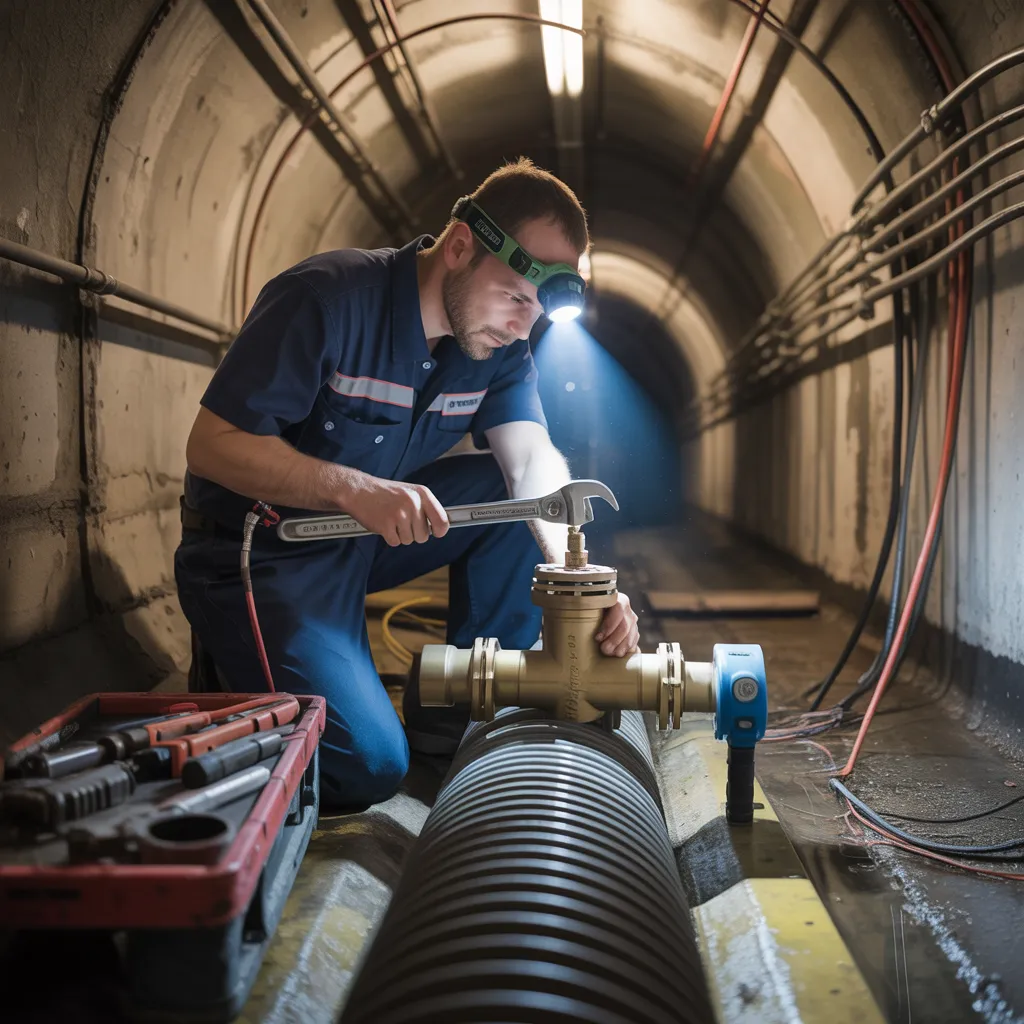
When property owners deal with plumbing challenges, having the right tools on hand can make all the difference. Key tools for addressing frequent plumbing issues consist of a plunger, which is vital for clearing clogged drains, as well as a pipe wrench, which offers the required grip for securing or releasing plumbing connections. A basin wrench is also valuable for reaching tight spaces and securing faucet connections.
In addition, a set of adjustable wrenches allows for versatility across different sizes of nuts and bolts. It is advisable for homeowners to invest in a plumbing snake to tackle stubborn clogs deep within pipes. Teflon tape remains an indispensable material, perfect for guaranteeing watertight connections. Lastly, a durable bucket proves useful for containing spills that occur during repairs. Having these fundamental tools on hand empowers homeowners to tackle minor plumbing problems efficiently, which can save both time and money while reducing stress.
Preventing Common Plumbing Issues
Homeowners can greatly reduce the likelihood of plumbing issues by embracing preventive maintenance practices. Regularly inspecting pipes and fixtures for leaks can help identify potential problems before they escalate. Keeping drains free from debris reduces the risk of clogs and supports steady water flow. It is recommended to place strainers in sinks and tubs to trap hair and food particles, which frequently cause blockages.
Furthermore, homeowners should periodically check the water pressure using a gauge, as overly high pressure can stress pipes and cause leaks. Annually flushing water heaters eliminates sediment accumulation, improving efficiency and extending lifespan. Wrapping exposed pipes in colder regions can stop freezing and cracking during the winter season. Lastly, being aware of the relevant information main shut-off valve location can conserve time and reduce damage during emergencies. By adopting these preventive steps, homeowners can protect their plumbing systems and prevent expensive repairs.
Vital DIY Plumbing Guidelines for Homeowners
Numerous homeowners stand to gain from practical DIY plumbing strategies that allow them to address common issues without professional help. First, keeping a plunger and a drain snake handy can effectively resolve clogs. Homeowners should know how to turn off the water supply to minimize the risk of flooding when fixing issues. Regularly checking for leaks under sinks and around toilets can prevent water wastage and damage. Using a mixture of baking soda and vinegar can effectively clean drains while avoiding aggressive chemical products.
When handling small repairs, like swapping out a faucet or resolving a running toilet, homeowners ought to become acquainted with essential tools such as wrenches and screwdrivers. Furthermore, gaining knowledge of plumbing system layouts can help in detecting problems promptly. Finally, maintaining a clean and organized workspace will enhance efficiency during any plumbing project. These essential DIY tips can save time and money while ensuring a well-functioning home plumbing system.
When Is It Time to Call a Professional for Plumbing Assistance?
How does one identify the right moment to contact a plumbing expert? Identifying the indicators of a significant plumbing problem is essential for homeowners. If a minor drip develops into a substantial water surge, or if recurring obstructions withstand all self-repair attempts, it's time to call a professional. Unusual noises from pipes or drainage odors can suggest serious concerns that demand specialist involvement. Furthermore, if water pressure varies or disappears, this may point to a critical underlying concern.
Homeowners should also seek professional help whenever plumbing projects include complicated installations or major repairs that exceed their abilities. Neglecting these indicators can cause increasingly costly repairs and harm to the home. Ultimately, knowing when to call a pro guarantees that plumbing problems are addressed efficiently and effectively, preserving both the integrity of the home and the owner's sense of security.
Learn the Essentials of Your Home's Plumbing System
Familiarizing yourself with a home's plumbing system is critical for effective maintenance and troubleshooting. A conventional residential plumbing system includes several key elements, including pipes, fixtures, and appliances. The main water supply line delivers fresh water, while drain lines carry wastewater away. Every homeowner should be aware of the location of shut-off valves to promptly handle leaks or urgent situations.
Moreover, grasping the contrasts between supply and drain systems can assist in troubleshooting problems. Supply lines are under pressure and transport water, while drain lines rely on gravity to remove waste. Routinely inspecting for evidence of wear, such as deterioration or leaks, can avoid bigger issues down the line. Awareness of how these systems work allows homeowners to make informed decisions about repairs and maintenance, thereby reducing costs and saving time. By grasping these basics, they can more efficiently oversee their plumbing requirements and prevent frequent mistakes.
Year-Round Plumbing Maintenance Checklist
Regular seasonal upkeep of plumbing is critical for avoiding expensive repairs and keeping a home's systems running smoothly. Homeowners ought to regularly check pipes for leaks, evaluate the efficiency of their water heater, and flush gutters and drains to eliminate blockages. This preventative strategy can significantly improve the durability and dependability of plumbing systems.
Examine Pipes For Leaks
Checking pipes for leaks is a critical measure in maintaining a home's plumbing system. Homeowners should regularly check both accessible and hard-to-reach pipes, particularly in areas like basements, under sinks, and around water fixtures. Evidence of leaks often includes water stains, dampness, or mold formation. Employing a flashlight can aid in detecting tiny cracks or drips that could easily be missed. It is also wise to keep an eye on water bills for any unusual increases, which could indicate hidden leaks. For added precaution, homeowners may consider installing leak detection systems that alert them to moisture presence. Swiftly handling any discovered leaks is crucial to forestalling more severe complications, such as structural damage or mold proliferation, ensuring long-term plumbing health.
Check Water Heater Function
Regularly checking the water heater performance is essential for maintaining effective plumbing in any home. Homeowners ought to examine the thermostat settings to verify they are set to the ideal temperature, typically around 120 degrees Fahrenheit. This not only conserves energy but also prevents scalding. In addition, checking the pressure relief valve for adequate performance is essential; a defective valve can lead to unsafe pressure increases. Sediment buildup can also diminish efficiency, so flushing the tank annually is advised to maximize the unit's longevity. Moreover, checking for leaks or corrosion around the heater can stop serious complications from developing. By consistently inspecting these aspects, homeowners can ensure their water heater performs reliably and without risk.
Clean Gutters And Drains
Preserving clean gutter systems and drainage is crucial for preventing water damage and ensuring proper drainage around the home. Over time, debris such as leaves, twigs, and dirt can collect, blocking water flow. Such obstruction may lead to overflow, resulting in potential damage to the foundation, walls, and roof. Regular inspection and cleaning, particularly before heavy rainfall or seasonal transitions, are vital. Homeowners should consider using a sturdy ladder to safely access gutters or enlisting professionals for comprehensive maintenance. Moreover, installing gutter guards can minimize debris buildup and reduce cleaning frequency. Properly functioning drains are equally important; making sure they remain free of clogs can avoid unpleasant odors and backups, contributing to a healthier home environment.
Green Plumbing Solutions for an Eco-Conscious Home
A growing number of homeowners are acknowledging the value of environmentally conscious plumbing solutions to promote sustainability. Incorporating water-efficient fixtures, such as dual-flush toilets and low-flow faucets, significantly decreases water consumption while maintaining full functionality. Moreover, the installation of greywater systems facilitates the repurposing of household water from sinks and showers for irrigation, further conserving resources.
Routine upkeep is crucial; fixing leaks promptly can save gallons of water and reduce utility bills. Homeowners can also consider using biodegradable drain cleaners to avoid harsh chemicals that harm the environment.
Choosing environmentally conscious options, such as bamboo or recycled metals, for plumbing repairs and installations contributes to a greener home. Moreover, pipe insulation reduces energy loss, improving overall performance. Through adopting these environmentally conscious plumbing methods, homeowners not only support environmental conservation but also support lasting efficiency and savings in their homes.
Commonly Asked Questions
What Are the Ways to Detect Hidden Leaks in My Home?
To detect hidden leaks, one can keep track of water bills for sudden increases, inspect walls and ceilings for dampness, pay attention to strange noises in pipes, and employ moisture meters or infrared cameras to pinpoint possible concerns.
What Are the Warning Signs of a Clogged Sewer Line?
Signs of a congested sewer line encompass drains that empty slowly, bubbling sounds from drains, sewage backup, foul smells, and standing water in the yard. Such symptoms indicate a clog that requires timely expert assistance to avoid significant damage.
How Often Should I Flush My Water Heater?
Homeowners need to perform an annual flush of their water heater to eliminate sediment accumulation. Consistent maintenance helps enhance efficiency and prolongs the unit's lifespan, ensuring peak performance and reducing potential concerns associated with mineral deposits over time.
Are Chemical Drain Cleaners Safe to Use?
Chemical drain cleaners are generally safe to use, but vigilance is required. Overuse may damage pipes and lead to hazardous fumes. It's often advisable to explore alternative methods or consult a professional for persistent clogs.
What Leads to Low Water Pressure in My House?
Low water pressure in a home may stem from a number of causes, such as obstructed pipes, pipe leaks, malfunctioning fixtures, or municipal supply issues. Identifying the specific cause is necessary for effectively restoring proper water flow.